Professional In-Home Care for Seniors Living With PTSD
PTSD
Caring for an aging loved one living with post-traumatic stress disorder (PTSD) can present unique challenges that affect both the individual and their family. While PTSD is often associated with recent traumatic events, many older adults continue to cope with the lasting effects of experiences that occurred years—or even decades—earlier.
When trauma has been kept private, cognitive changes with aging can cause a loved one’s distressing memories to surface for the first time, seemingly out of the blue. As a result, family members may notice sudden and unexpected changes in mood, behavior, or emotional reactions that seem difficult to explain.
Supporting a senior with PTSD requires patience and compassion, especially on days when symptoms are more severe. Understanding how PTSD affects seniors can help caregivers respond with greater confidence and care.
What Is PTSD and How Does It Affect Seniors?
PTSD is a mental health condition that can develop after a person experiences or witnesses a traumatic event. In seniors, PTSD may stem from experiences such as military service, childhood adversity, abuse, accidents, or natural disasters. Symptoms can sometimes intensify with age due to health changes, loss, or increased social isolation.
Aging-related changes such as stressful health challenges and cognitive decline can intensify PTSD symptoms. Signs of PTSD in older adults may include:
- Avoiding people, places, or activities that remind them of the trauma
- Emotional numbness or detachment
- Feeling constantly on edge, easily startled, or irritable
- Flashbacks or intrusive memories
- Flinching away from previously welcome touch, such as a hug
- Nightmares and trouble sleeping
- Physical symptoms such as headaches, stomach pain, or muscle tension
- Social withdrawal or isolation
Having PTSD is not a sign of weakness. It is a natural response to an overwhelming experience. With care and understanding, symptoms can be managed, and quality of life can improve.
Trauma-Informed PTSD Support at Home
A trauma-informed approach recognizes the lasting impact of trauma and focuses on building trust, promoting emotional safety, and responding to challenging behaviors with empathy and understanding.
The following strategies can help guide your approach.
- Create a Safe, Predictable Environment
Having a dependable routine can be reassuring for seniors with PTSD. Try to keep daily activities such as meals, medications, and bedtime consistent. Pay attention to potentially triggering milestones or holidays. Minimize exposure to loud noises, sudden movements, and violent TV programs.
- Communicate Gently and Respectfully
How you speak and interact can calm anxiety or unintentionally heighten it. Approach your loved one from the front and announce your presence. Speak in a steady voice and validate their feelings without judgment. Do not force them to talk about their traumatic experiences but be prepared to listen if they wish to share their story.
- Practice Coping Strategies
Simple techniques such as deep breathing, mindfulness, or grounding exercises can ease distress. Stay calm, speak slowly, and gently remind your loved one that they are safe to help de-escalate their response. Practice these strategies together to strengthen your connection.
- Consider Professional Support
PTSD can be treatable at any age. Options such as therapy and medication can make a significant difference. Encourage your loved one to talk with a doctor about potential medical or behavioral health treatments. If you notice heightened PTSD symptoms, seek help immediately.
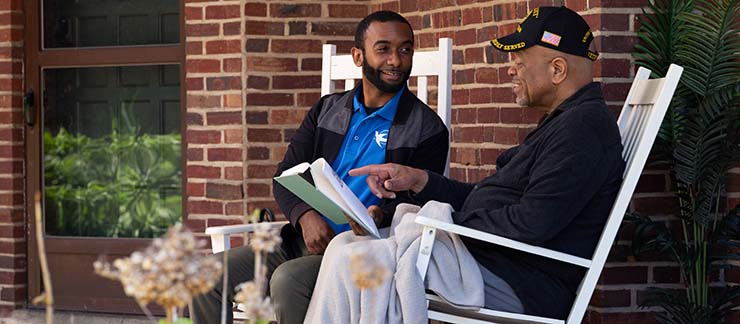
Having support at home is also essential, and care should be tailored to your loved one’s needs. For example, Visiting Angels offers specialized, non-medical care for veterans, honoring those who have served with dependable, personalized support and ensuring your loved one’s comfort in a familiar environment. PTSD is prevalent among veterans. If you are concerned for the veteran, seek help right away.
- Foster Social Connections
Isolation can worsen PTSD symptoms. When appropriate, gently encourage your loved one to make connections with veterans’ groups, senior centers, faith communities, or trusted friends and family members. Being surrounded by people who love and understand them can help them feel safer and more secure.
- Take Advantage of PTSD Resources
Organizations such as the Department of Veterans Affairs (VA) and the National Center for PTSD provide valuable support and information.
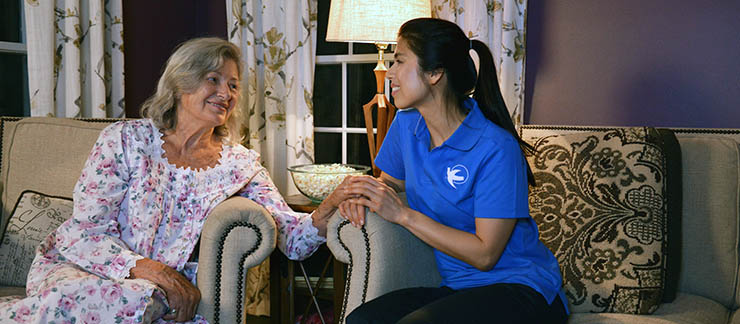
Visiting Angels in-home caregivers can provide companionship and practical help in a familiar, comfortable environment. Non-medical personal care services can include light housekeeping, medication reminders, grooming and bathing, and meal preparation. Veterans may be eligible for benefits that can help cover the cost of home care.

Leave A Reply
Your email address will not be published. Required fields are marked *